Positioning
The Number1s Method: Beyond Generic Online Reviews to Specific, Useful Customer Feedback
The core Number1s idea in one guide: why an overall star rating is not enough, how business strengths become testable promises, and how customer feedback can improve fit, trust, and decisions.
In short
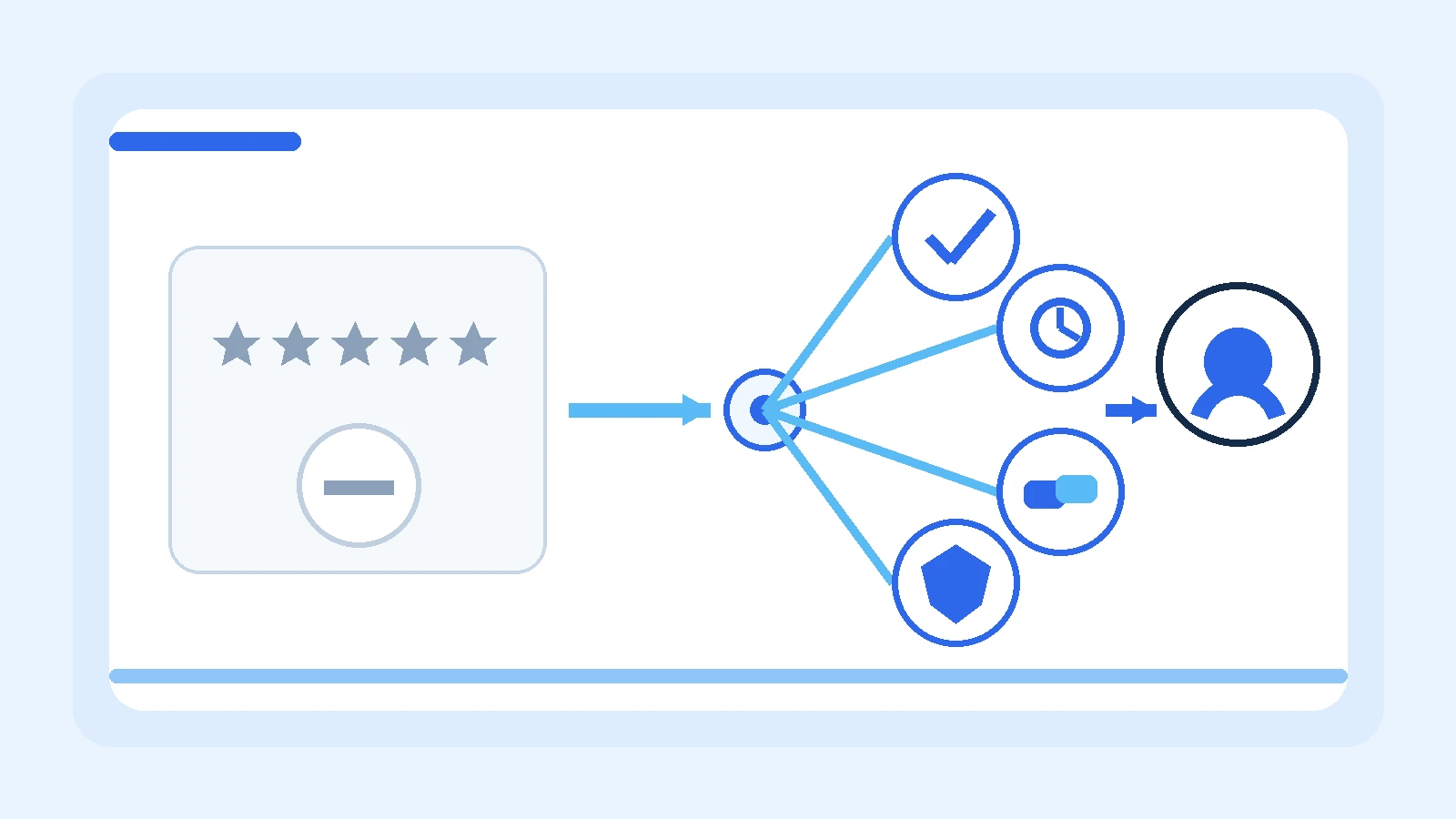
The Number1s Method moves online reputation from a broad verdict to specific evidence about business strengths. A business declares who it is best suited for and what it promises; customers evaluate what they actually experienced; and the resulting signals show what is confirmed, what needs improvement, and what proof can help the next customer choose with less uncertainty.
Key takeaways
- The problem is not criticism; it is a format that lets one incident become a verdict on the entire business.
- Being someone’s Number 1 means being relevant to a specific priority, not claiming universal superiority.
- Reputation becomes credible when what is declared, experienced, and confirmed stays aligned.
- Customer feedback should verify specific strengths rather than reward a business with five stars.
- Scores are more useful when they are read with the strength, sample size, recency, and context.
- The best outcome is not attracting everyone; it is being chosen by customers who fit the promise.
The problem is not negative feedback. It is a verdict with no clear object
A negative review can describe a real problem and deserve a serious response. The weakness appears when one moment is compressed into a single score that seems to judge everything at once: expertise, timing, product quality, communication, support, and the entire relationship. A one-star experience may point to something important, but the star itself does not tell the next customer which promise failed—or which parts of the experience still worked.
Generic praise has the same structural problem. “Amazing,” “highly recommended,” and “great service” create approval, but they often do not explain why a customer with a specific priority should choose that business. The Number1s Method starts with a different goal: do not silence the customer. Give customer feedback a more useful object.
Ratings show approval. Customers still need to understand fit
A high rating can reduce uncertainty because it shows that many people had positive experiences. But approval and fit are different questions. Customers worry about choosing wrong: wasting time, buying the wrong solution, getting weak support after the sale, receiving confusing guidance, or discovering that the business was simply not built for their priorities.
That is why a better question is not only “How much do people like this business?” but “What is this business consistently recognized for, and does that match what I need?” Two companies can have the same 4.8 rating and still represent opposite choices. One may be built around speed and convenience; another around depth, customization, and ongoing support. Customers do not need a universal winner. They need a clearer match.
Be someone’s Number 1, not the best for everyone
The most important words in Number1s are “for someone.” Being Number 1 is not a claim of absolute superiority. It means becoming a particularly strong fit for people who value a specific combination of benefits. The ideal customer is therefore not a marketing persona added for decoration. It is the reference point that makes a strength meaningful.
A useful strength should be observable, relevant, and sustainable. “Professional” is too broad; “clear explanations and transparent estimates” can be experienced. “Quality” is vague; “careful craftsmanship in the details” gives the customer something concrete to recognize. When several coherent strengths reinforce one another, they form a Strength Mix—the combination that makes a business easier to understand and harder to confuse with a competitor.
Declared, experienced, confirmed: credibility comes from alignment
Number1s connects three layers. Declared is what the business promises: who it is for, how it is positioned, and which strengths it wants to own. Experienced is what actually happens during the purchase, service, delivery, support, and relationship. Confirmed is what customers recognize consistently enough in ratings and written feedback. When those layers align, reputation becomes more than a marketing claim.
When they do not align, the gap should not be hidden. A strength is not true because a business typed it into a profile. If customers do not perceive it, the business has to improve the process, clarify the promise, change the strength, or accept that it is not distinctive enough. That is a demanding part of the Number1s Method: the platform is not meant to lock in a narrative. It is meant to test whether the narrative matches the experience.
Ask customers to verify the promise, not to give you five stars
The method also changes the review request. “Please give us five stars” tells the customer what outcome the business wants. “Evaluate the strengths you actually experienced” asks for verification. Customers can confirm a strength, score it lower, or explain why it did not show up without being asked to protect the company’s rating.
To keep the signal credible, invitations should follow fair rules and go to real customers rather than only the happiest ones. Written feedback can add context, but it does not have to be mandatory. A customer who can rate a specific promise already contributes something more interpretable than a broad thumbs-up or thumbs-down.
Specific criticism is not softer criticism. It is actionable criticism
If a business positions itself around after-sale support and that strength receives weak ratings, the feedback hits the center of the promise. The difference is that the problem has a name. The team can investigate response times, handoffs, ownership, staffing, expectations, or a process that stops working under pressure.
That turns reputation into operating information. One incident should be separated from a recurring issue and from a trend. Public responses should not try to win an argument; they should show listening, clarify the point, and indicate a reasonable next step. Customer feedback can then influence training, procedures, service design, and improvement—not just a reputation dashboard.
A score needs context: strength, sample size, recency, and continuity
Number1s also provides an aggregate signal through the Happiness Score, but the score is not meant to become a new rating obsession. A percentage should be read together with the specific strength, the number of evaluations, how current the signal is, and the available feedback. A result based on a small sample is early evidence; the same result supported by a larger and recent sample carries different weight.
That context keeps proof from turning into advertising. Volume matters, but it is not a trophy and it does not replace relevance. A large number of ratings from poorly matched customers can be less useful than a consistent signal from people who actually cared about the benefit the business promises.
Badges are not trophies. They should point back to evidence
When a strength is genuinely confirmed, Number1s can make that evidence visible through a badge or poster. “Number 1 confirmed for [strength]” works because the claim is intentionally limited. It does not say “best business.” It connects one specific promise to customer evidence, while the sample size and profile link let the reader verify the context.
The proof is strongest when it appears next to the promise it supports. If a service page is about guidance in choosing the right solution, evidence about that guidance is more useful than a generic row of stars in the footer. Marketing becomes less self-referential: the business does not ask prospects to believe the promise on faith; it shows what customers are recognizing.
Number1s complements Google, Yelp, social platforms, and customer criticism
Going beyond generic reviews does not mean disappearing from other channels. Google, Yelp, social platforms, and industry review sites can continue to provide visibility and context. The Number1s Method changes the center of gravity: it avoids asking one overall rating to carry the entire identity of a business and creates a place where reputation can be read in relation to positioning.
Number1s does not promise perfect scores, immunity from criticism, or universally happy customers. It is not a censorship tool and it is not review gating. In fact, it increases accountability: each strength becomes a public promise customers can test. The business does not control the result. It controls the work that should produce the result.
The Positioning Reputation cycle
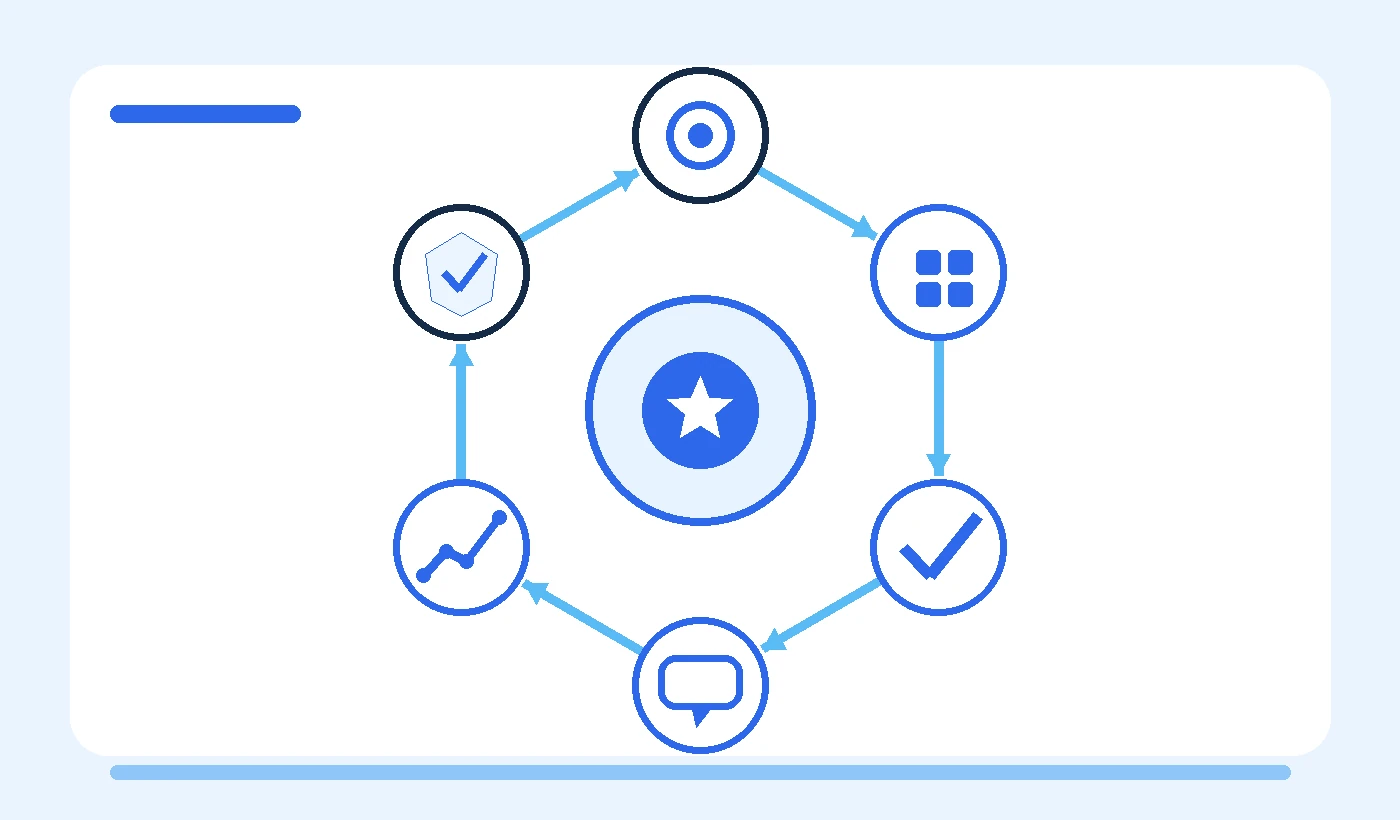
The method can be summarized in six actions: choose, design, deliver, ask, read, and show. Choose strengths that matter to the right customer. Turn them into observable standards. Deliver the experience without performing for a rating. Invite eligible customers neutrally. Read specific signals and act on gaps. Show a confirmation only when the evidence is real and transparent.
- Choose strengths that create value for the customer you are best equipped to serve.
- Translate each strength into behavior and standards a customer can actually observe.
- Deliver the experience without making the rating the goal.
- Invite customers neutrally instead of asking for praise.
- Use specific feedback to separate an isolated incident from a recurring problem or trend.
- Display confirmation only when the data supports it and the source can be verified.
The real outcome: better-fit customers, not just more customers
Specific reputation is not only about acquisition. It helps a business get chosen more accurately. A customer who understands that a company prioritizes depth over speed, or ongoing support over the lowest price, arrives with more realistic expectations. That can reduce predictable friction and make value easier to understand—especially for specialized businesses that cannot or should not compete on popularity alone.
That is the core idea behind being “Number 1 for someone”: not building a perfect reputation, but building a reputation clear enough for the right customer to recognize the promise and honest enough for the business to see where the promise is still breaking.
The goal is not to be judged less. The goal is to be judged better.
In one sentence: what is the Number1s Method?
The Number1s Method turns reputation from a generic verdict into a test of positioning: a business declares who it is best suited for and which strengths it commits to; customers evaluate what they actually experienced; and the resulting evidence shows what is confirmed, what needs work, and which specific proof can help the next customer choose with less uncertainty.
Is Number1s an alternative to online review sites?
It is a different and complementary model. Instead of making one overall score carry the entire reputation, Number1s connects customer evaluations to specific business strengths and positioning. Other review platforms can still provide additional context.
Does being someone’s Number 1 mean claiming to be the best business?
No. It means being a particularly strong fit for someone who values one or more specific benefits. The method is about relevance and customer fit, not absolute superiority.
What happens when customers do not confirm a claimed strength?
The gap should remain visible. The business can improve the process, clarify the promise, change the strength, or accept that it is not distinctive enough. The point of the data is to make that gap actionable.
Why does the number of evaluations matter?
It helps readers understand the weight of the evidence. A percentage based on a small sample is an early signal; the same percentage supported by a larger, recent sample is more robust. Sample size does not guarantee perfection, but it makes the evidence more transparent.
What does the customer gain by leaving specific feedback?
Customers can help people with similar priorities choose better, recognize what worked, and point to a problem without turning the entire experience into a total verdict about the business.