Customer feedback
How to Ask Customers for Feedback Without Asking for 5 Stars
Asking for feedback should not mean asking customers to improve your rating. A neutral, specific request can produce more credible feedback and better business decisions.

In short
The most credible way to ask for feedback is to avoid asking for a positive score. Invite real customers to evaluate what they actually experienced, using specific strengths and a neutral request that welcomes confirmation as well as criticism.
Key takeaways
- Do not ask, “Can you give us 5 stars?” Ask whether the promised experience was actually delivered.
- Invite customers fairly instead of selecting only those who appear delighted.
- Choose the right moment in the customer journey and avoid aggressive reminder sequences.
- Specific feedback is more useful to future customers and to the business itself.
The problem is not asking for feedback—it is asking for approval
Most businesses know they should listen to customers, yet the review request often feels awkward. “Would you give us five stars?” may sound harmless, but it changes the purpose of feedback. The customer is no longer being asked to report an experience; they are being asked to help improve a public score.
A stronger request starts with a different goal: verify the promise. If a business wants to stand out for transparent estimates, reliable timing, and responsive follow-up, it can ask customers whether those specific strengths were actually experienced. That is a request for evidence, not applause.
A simple way to frame the request
A practical message could be: “On Number1s, we ask customers to evaluate the strengths we are committed to delivering. We want to understand what you actually experienced. Your feedback can help other people choose and help us protect what works or improve what did not.”
- Explain what is being evaluated instead of asking for a predetermined score.
- Make the benefit clear to future customers, not just to your business.
- Use a direct link or QR code to reduce friction.
- Avoid language that makes negative feedback feel unwelcome.
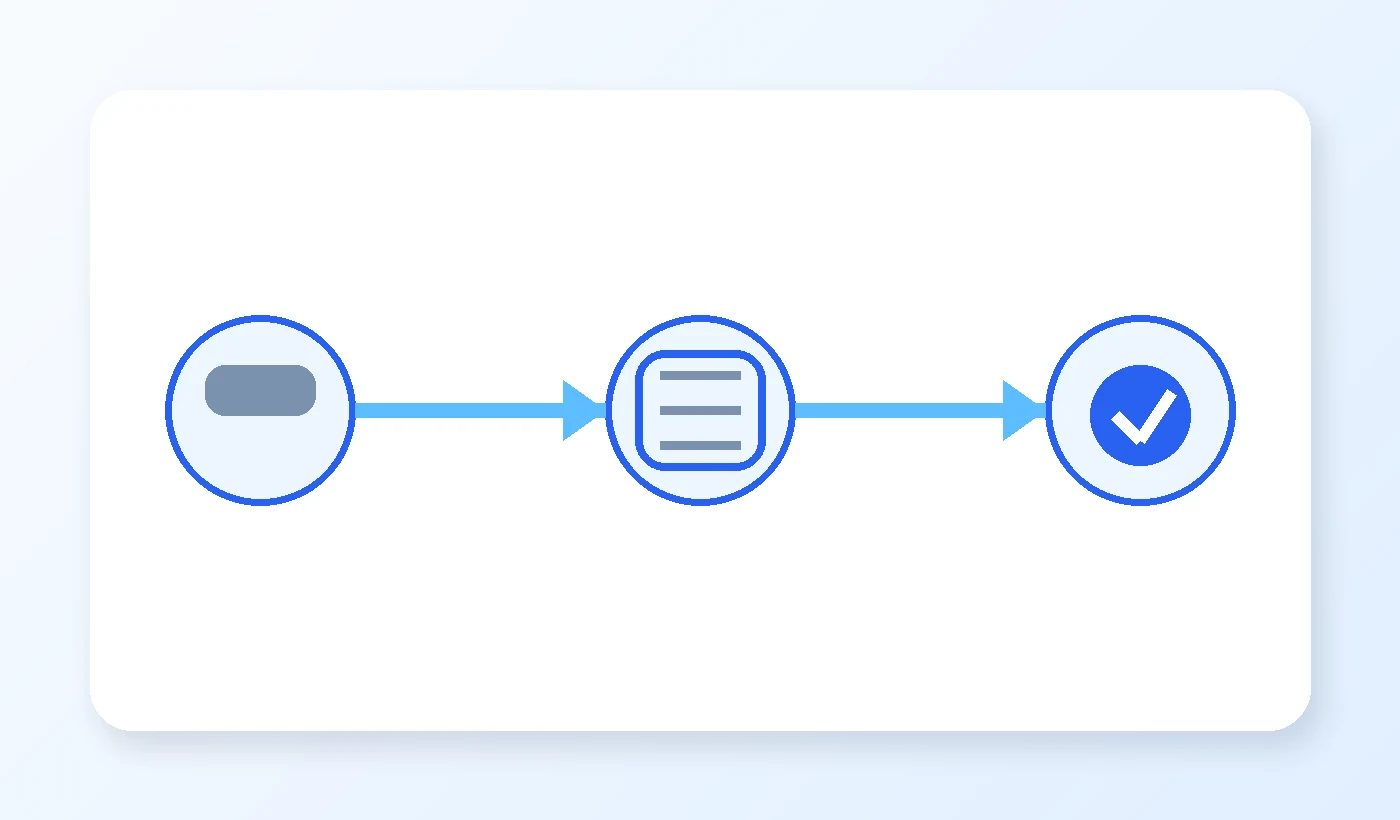
Ask at the right moment
The right timing depends on the strength being evaluated. Guidance during a purchase can be assessed shortly after the decision. Delivery reliability can be assessed after fulfillment. Long-term support should not be rated before the customer has had enough time to experience it. Asking too early creates shallow feedback; asking too late reduces memory and participation.
Invite fairly—not only when the customer looks happy
Selective review requests may make a profile look better in the short term, but they weaken trust in the data. If only visibly satisfied customers receive the invitation, the business is no longer learning from a representative set of real experiences. A better rule is objective: invite customers who completed the relevant stage of the journey, regardless of whether they expressed praise or frustration.
Why review gating is a bad habit
Review gating means steering happy customers toward public reviews while diverting unhappy customers elsewhere. Even when the intention is reputation protection, the result is a less credible picture. Number1s is built around the opposite idea: a declared strength only has meaning if customers are free to confirm it or challenge it.
Keep reminders respectful
A feedback request should not become a campaign that follows customers for weeks. One clear request and, when appropriate, one reminder are usually enough. The goal is regular, authentic participation—not pressure.
What the business gains from a better question
Specific feedback gives teams something they can use. A low score on “clear estimates” can trigger a review of how prices, exclusions, and alternatives are explained. A strong score on “support after the sale” identifies a process worth protecting. The feedback moves from reputation management into operating improvement.
Do not ask customers to make your rating look better. Ask them to help you understand whether you kept the promise.
What should I say when asking a customer for feedback?
Keep the request short and neutral. Explain what the customer is being asked to evaluate, why their experience is useful to other customers, and that honest feedback helps the business improve.
Should I ask only satisfied customers for feedback?
No. A credible system should use objective invitation rules for real customers who completed the relevant experience, not rules based on whether they appeared satisfied.
How many reminders should I send?
Usually one initial request and, when appropriate, one reminder are enough. Frequency should match the relationship and the type of service rather than becoming a high-pressure sequence.