Reputation
Promised, Experienced, Confirmed: How Credible Reputation Is Built
A business promise becomes credible when what the company says, what customers actually experience, and what they consistently confirm begin to align.
In short
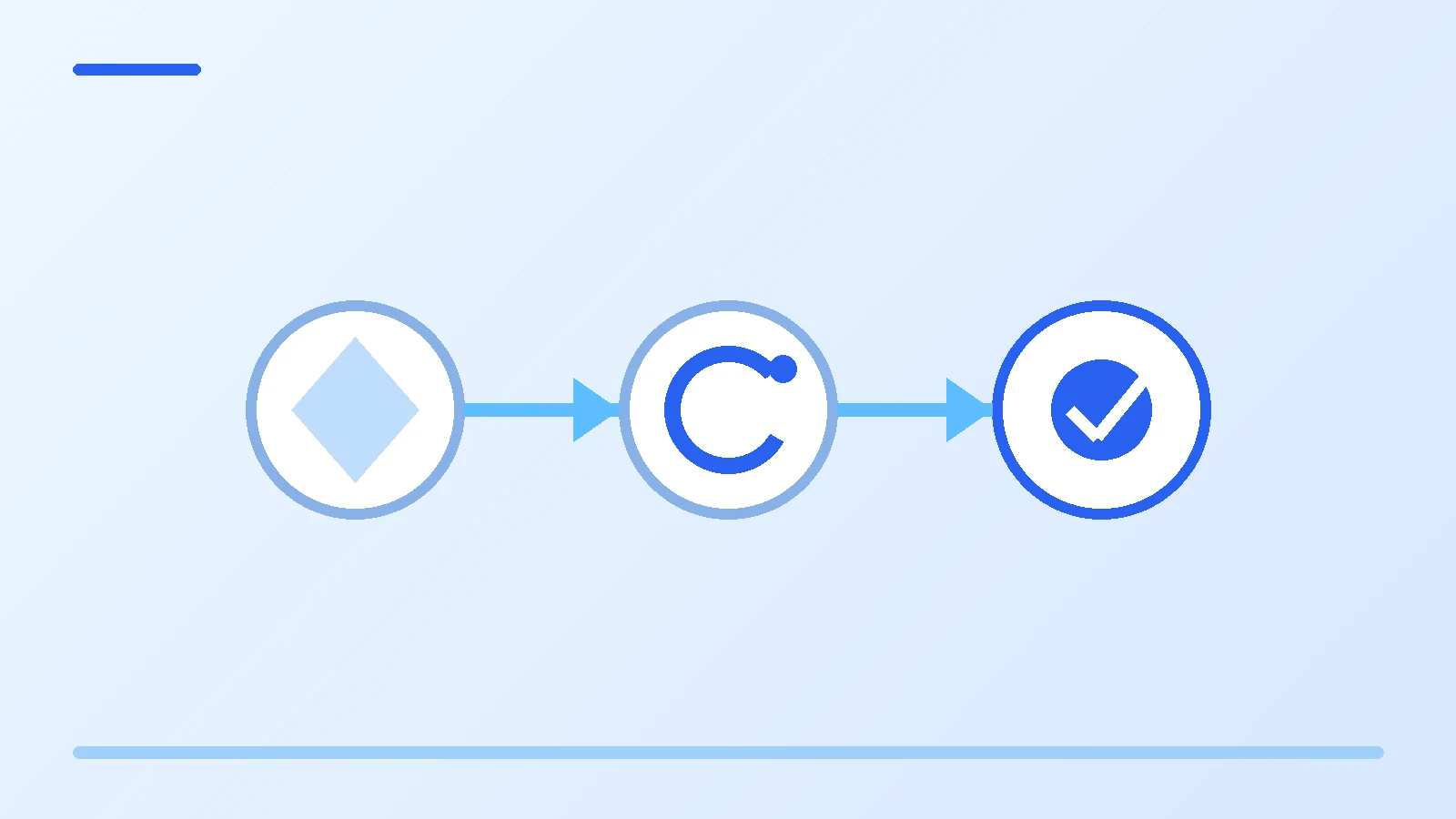
The Number1s framework “Promised, Experienced, Confirmed” treats reputation as a test of the promise. Positioning defines the intended strengths, customer experience puts them into practice, and customer feedback shows whether the market actually recognizes them.
Key takeaways
- Promised: the ideal customer, value promise, and strengths the business chooses to stand behind.
- Experienced: the real behaviors and processes customers encounter.
- Confirmed: what customers recognize consistently through evaluations and feedback.
- Misalignment is not something to hide; it shows where the business should improve or reposition.
Reputation does not begin with what you write on your website
Any business can publish a polished promise. It can choose the right words, list attractive benefits, and describe its strengths. Reputation starts when those words enter the real customer experience. Customers do not experience the copy; they experience the phone call, estimate, appointment, delivery, support request, problem resolution, and follow-up.
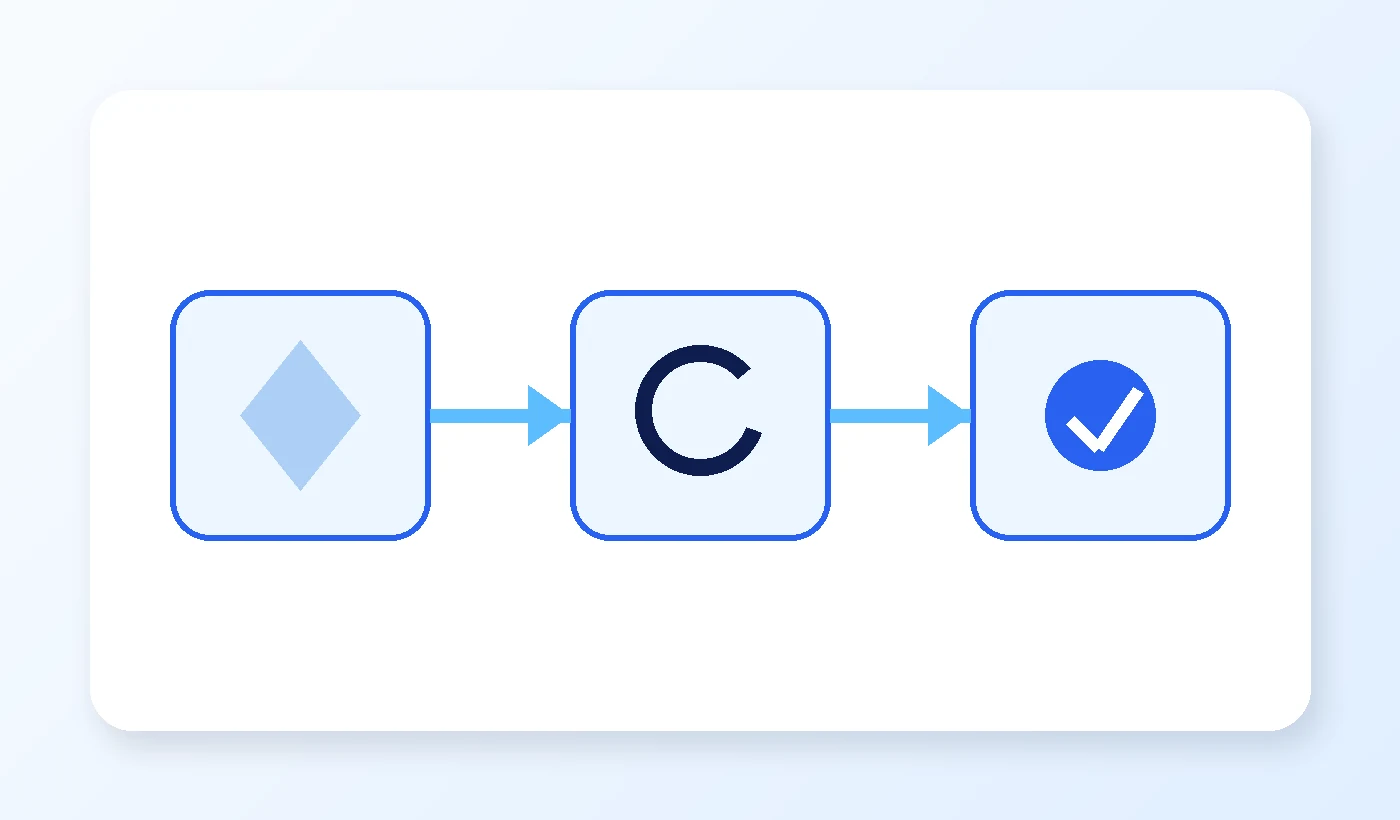
That is why Number1s uses a simple framework: Promised, Experienced, Confirmed.
Promised: what you choose to be accountable for
The promised layer includes the ideal customer, key promise, specific strengths, and benefits the business wants to make visible. It should be selective. The goal is not to publish every positive attribute, but to identify the reasons the right customer should consider choosing you.
Experienced: what actually happens
The experienced layer is operational. If you promise clarity, someone must explain options, costs, limits, and trade-offs. If you promise dependable follow-up, ownership and response standards have to exist. If you promise punctuality, scheduling and workload management must support it.
Confirmed: what customers recognize
Confirmation is not self-certification. It comes from customers who experienced the business. A strength can be promised and still have weak confirmation. Another can produce strong, consistent signals. Both outcomes are useful because they show the distance—or alignment—between intention and reality.
When the three layers align
When promised, experienced, and confirmed point in the same direction, positioning becomes credible. The business knows its message is supported by operations. Prospective customers see evidence tied to a real priority. The team knows which behaviors and processes deserve protection.
When they do not align
Misalignment is not automatically a reputation disaster. It is information. If “clear explanations” is weakly confirmed, the cause might be training, workload, process design, or an unrealistic promise. If customers repeatedly value a strength the business has not emphasized, that may reveal a new positioning opportunity.
- Strong promise, weak confirmation: improve the process or narrow the promise.
- Strong experience, weak communication: make the customer benefit easier to understand before purchase.
- Frequently praised but low-value strength: ask whether it actually drives the ideal customer’s choice.
- Stable confirmation: protect the standards and people that make the strength repeatable.
Why this framework helps teams improve
Reputation stops being a page executives check nervously and becomes an operating conversation. Which strength is improving? Which is becoming fragile? What patterns appear in feedback? Which process change produced a better signal? The goal is not to rank employees; it is to connect customer evidence to the way the business works.
The most credible promise is not the one written best. It is the one that survives the journey from promised to experienced to confirmed.
What does “Promised” mean in the Number1s framework?
It is what the business chooses to promise publicly: the customer it wants to serve, the key promise, and the specific strengths it is willing to be evaluated on.
Should a weakly confirmed strength be hidden?
No. A weak signal can be valuable. It may show that the process needs improvement, the promise needs clarification, or the strength is not sustainable or distinctive enough.
Why should confirmation be monitored over time?
Because strengths are not permanent awards. Team changes, growth, workload, and process changes can strengthen or weaken the experience, so evidence should remain current.